
Fungi in human culture
Hope for Impatiens
How a familiar garden flower, through sex, sheer luck, and the attention of one man, rose to a pinnacle of popularity only to be suddenly destroyed. All thanks to an unassuming downy mildew that was literally lurking in the shadows.
The Cornell Hoot
On the origins and practice of the Cornell Hoot, a mycological finding tool. Executing the Cornell Hoot is sure to make you find more mushrooms, grow more hair, make more friends (of a certain kind), and stay safely found.
Azalea divinity
Sure, azaleas have pretty flowers. But who says gardens have to be about pretty flowers and tasty fruit? Cornell has one garden devoted to poisonous plants, and any mycologist-gardener might cherish a bed of rusty plants, smutted grasses, and these fantastic fungus-induced “apples.”
ZAP! Lightning, Gods, and Mushrooms
Everyone knows mushrooms pop up after thunderstorms, right? Japanese mushroom farmers sometimes deploy electric shocks to get their shiitake mushrooms to fruit. So, what would happen if you wandered around in the forest zapping the ground?

The Lichens of Tower Road
It’s possible to walk down a street and not see any fungi… for some people. CUP Herbarium Curator Scott LaGreca sees lichens wherever he goes. Here he talks about the tree-dwelling lichens along Cornell’s main thoroughfare, Tower Rd, and what they suggest about air quality on our upstate New York campus.
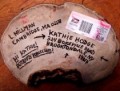
Postal conks
The best gifts keep on giving. This artist’s conk (Ganoderma applanatum) came to me by post. It turned out to be quite literally full of surprises. Eleven unexpected organisms popped out of it: one other fungus, and ten fascinating beetles. Also, and this was really quite satisfying: when it arrived, I knew I had won the argument.

Fictional mycology
This week a fictional fungal villain is making life at Cornell pretty surreal. Paul McEuen’s new thriller, Spiral, has just been released, and not only is it set here, at Cornell, in Ithaca, and inside my Herbarium, it features a heroine who is inspired partly by, um, me!

Agarikon
The fungus Fomitopsis officinalis has a long history of use in North America and elsewhere, both as medicine and as a medium of ritualistic art. Read about Agarikon and its uses, and follow Fungi Perfecti President Paul Stamets on a successful expedition to find this rare mushroom.
Mushrooms as Sacred Objects in North America
Although surely many Native American peoples were experts on fungi, we have little knowledge of how they used them, particularly the more ephemeral mushrooms. Here’s a primer on three different bracket fungi (conks) used by some native peoples.