
Students
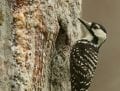
Flying fungi
Meet the red-cockaded woodpecker, a black and white bird with a real knack for making holes in living pine trees. Read on to learn of its incredible relationship with a shelf fungus that eats the heartwood of those same pines.

An unlikely delicacy: the basket stinkhorn
This isn’t the first post you’ve seen here about stinkhorns. They’ve just got that special something. In the Western hemisphere, they’re wonderfully disgusting. In the East, they’re wonderfully delicious. Let’s explore.

Hope for Impatiens
How a familiar garden flower, through sex, sheer luck, and the attention of one man, rose to a pinnacle of popularity only to be suddenly destroyed. All thanks to an unassuming downy mildew that was literally lurking in the shadows.
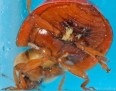
Ladybug Fungi
They may be taking over the world, but they have problems too: They have an itch they can’t scratch. Their dead wear fur coats. They nuke their competitors with poisonous blood. Multicolored Asian ladybugs are host to three different fungi. They’re all bizarre and interesting, but if you are a ladybug, you will have a clear favorite.
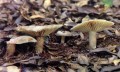
A deadly Russula
My students think of Russula species as cheerful mushrooms that are quite benign. They are often pleasingly colored, make good partners for trees, and have an interesting, brittle texture. Other than being practically impossible to identify, what’s not to like? But in eastern Asia, one Russula species kills half of the people who eat it.

Mammoth Poo Fungi
Woolly mammoths have been extinct in North America for 13,000 years. What caused their extinction, and what did they eat for a snack? These two questions are related to each other only by… Fungi! Also, bonus! we explore the many words for poo.
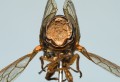
Flying salt shakers of death
Poetry and dirt inspired Angie Macias to explore buzzy, hummy cicadas. And the fungi that live to eat them. They are butt-devouring species of the fungus Massospora– coming to your backyard this summer!
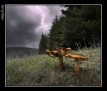
ZAP! Lightning, Gods, and Mushrooms
Everyone knows mushrooms pop up after thunderstorms, right? Japanese mushroom farmers sometimes deploy electric shocks to get their shiitake mushrooms to fruit. So, what would happen if you wandered around in the forest zapping the ground?

Bully for the Platypus
Tasmanian platypuses are coming down with a fungal disease of late. It’s caused by a fungus previously only found sickening amphibians. A platypus is a strange and baffling creature, and so is this fungus, Mucor amphibiorum.